

Delegates
Overview
Delegation (Delegates)
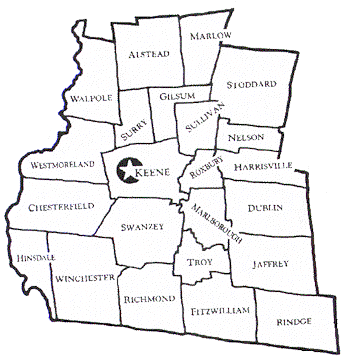
County government consists of two branches: a Legislative Branch, the County Delegation, comprised of twenty-two elected Representatives, and an Executive Branch, consisting of three Commissioners. Together, these bodies provide the framework for how county services are funded, managed, and delivered, with each branch carrying distinct responsibilities defined by state law.
The primary role of the County Delegation is to appropriate the funds necessary to operate the county. Delegates review the proposed county budget, hold public hearings, make adjustments where needed, and ultimately vote on the appropriations that support county departments, programs, and long-term projects. Their work ensures that taxpayer dollars are used responsibly and that county government has the resources required to meet statutory obligations and support essential services.
Many laws passed in Concord have a direct fiscal impact on county government. As both state lawmakers and county delegates, members of the County Delegation bring valuable firsthand insight into how state legislation affects county operations, mandated services, and the property tax burden on residents. Their dual roles give them a clear understanding of how changes to state programs, criminal justice statutes, public health requirements, or funding formulas can alter county budgets. This knowledge enables the Delegation to respond effectively to the financial ramifications state law has on Cheshire County, helping to ensure that local taxpayers are protected and that county government can continue to function efficiently and responsibly.